

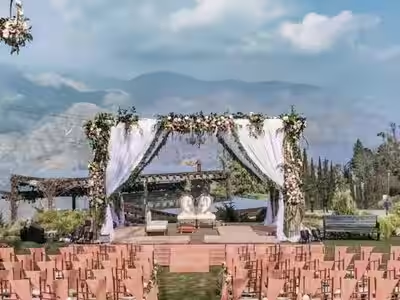

The planning of a luxury wedding in India increasingly begins on a screen. Before visiting a venue, meeting a wedding planner or selecting a designer, couples and their families may spend hours exploring destination options, viewing wedding films, comparing décor concepts and researching hospitality experiences online. Digital platforms have become an important part of how modern celebrations are imagined, evaluated and organised.
This shift is changing the luxury wedding industry. The traditional foundations of Indian weddings—family participation, cultural traditions, personal relationships and elaborate hospitality—remain significant. What is changing is how couples discover possibilities, communicate their preferences and manage the many decisions involved in bringing a celebration together.
Digital behaviour is also influencing what guests expect from the wedding experience. From personalised invitations and event updates to live streaming and professional content creation, technology now shapes several moments before, during and after the celebration.
For India’s luxury wedding industry, the challenge is to use digital tools without allowing the celebration to lose its personal character.
Wedding Discovery Is Moving Online
The search for a luxury wedding venue or service provider often begins with digital research. Couples explore hotel websites, wedding planning platforms, social media accounts, destination guides and photography portfolios to understand what different providers can offer.
A destination wedding in Rajasthan, a coastal celebration in Goa or a multi-day event in a metropolitan hotel can be researched extensively before the family makes its first enquiry.
This has increased the importance of digital presentation for venues, planners, decorators, photographers and hospitality brands. Their online presence often provides the first indication of their creative style, service standards and experience with large-scale celebrations.
Visual content is especially influential. Wedding films, venue photographs, décor installations and curated event galleries allow couples to imagine how a celebration might look and feel.
However, attractive imagery is only the beginning. Serious clients also want practical information about guest capacity, accommodation, logistics, catering, event spaces and service capabilities. A strong digital presence must combine inspiration with useful details.
Social Media Is Influencing Wedding Aesthetics
Social media has become a powerful source of ideas for luxury weddings. Couples can discover new décor styles, floral arrangements, colour palettes, fashion designers, jewellery collections and entertainment concepts through digital content.
Instagram, Pinterest and video platforms have made visual references easier to collect and share. Couples can create mood boards, exchange inspiration with planners and communicate their preferences through photographs and short videos.
This has influenced the creative process. Wedding professionals increasingly work with clients who arrive with specific visual references and a clearer sense of the atmosphere they want to create.
The influence can also be seen in the growing interest in distinctive experiences rather than simply elaborate decoration. Couples may look for immersive installations, thoughtfully designed guest spaces, regional cultural elements and carefully curated celebrations.
Yet digital inspiration can create unrealistic expectations. Images encountered online may represent exceptional productions with substantial budgets, specialised teams or locations that are difficult to replicate. Wedding professionals must help clients distinguish between inspiration and practical execution.
The most successful celebrations translate digital references into designs that suit the couple, the venue and the occasion.
Wedding Planning Is Becoming More Collaborative
Luxury weddings involve multiple stakeholders, including couples, parents, planners, venue teams, designers, caterers, photographers and hospitality partners. Coordinating these participants can be challenging, particularly when family members are based in different cities or countries.
Digital communication has made collaboration easier. Video meetings, shared documents, messaging groups and planning platforms allow decisions to be discussed without requiring every participant to be physically present.
Families can review design proposals, discuss schedules, compare vendors and track arrangements remotely. Wedding planners can also use digital tools to organise responsibilities and maintain communication across different teams.
This is particularly relevant for destination weddings, where much of the preparation takes place away from the venue. Couples and families may need to make decisions about accommodation, travel, event design and guest services before visiting the destination.
However, greater digital communication also requires better organisation. Multiple messaging groups and informal conversations can create confusion if decisions are not documented properly. Professional planning teams need clear approval processes, updated schedules and a reliable record of agreed arrangements.
Technology can improve coordination, but it cannot replace experienced project management.
Digital Invitations Are Changing Guest Communication
Wedding invitations have traditionally carried considerable cultural and emotional significance in India. Printed invitations remain important for many families, particularly for close relatives and formal occasions. However, digital invitations have become a practical addition to the communication process.
Personalised digital invitations, event websites and online announcements allow couples to share information quickly with guests. They can communicate venue details, event schedules, dress suggestions, travel arrangements and accommodation information in one place.
For destination weddings, these tools can be particularly useful. Guests may need information about airport transfers, hotel check-in, local transport and the timing of different celebrations.
Digital communication can also help organisers manage attendance and understand guest requirements. Families and planners can coordinate responses, track participation and communicate changes more efficiently.
The choice between printed and digital invitations is not necessarily an either-or decision. Many luxury weddings combine traditional invitations for important relationships with digital communication for practical updates.
The objective is to preserve the emotional value of the invitation while making the guest experience easier to manage.
Guests Expect More Personalised Experiences
Digital behaviour is changing expectations around wedding hospitality. Guests increasingly value clear information, convenient communication and experiences that reflect their interests and requirements.
For a multi-day destination wedding, this may involve personalised itineraries, digital event schedules, travel updates and information about different activities. Families may also use digital systems to communicate dietary requirements, accessibility needs and accommodation preferences to the hospitality team.
These details matter because luxury wedding experiences depend on more than the main ceremonies. The quality of guest management, room arrangements, transport coordination and attention to individual needs can influence how the entire celebration is remembered.
Digital tools can help planners and hotels organise these requirements more effectively. They can also reduce uncertainty for guests who are unfamiliar with the destination.
Nevertheless, personalisation should remain thoughtful. Guests should not feel that every interaction is automated or that their personal information is being collected unnecessarily. The best hospitality combines organised information with genuine human attention.
Wedding Content Is Becoming Part of the Celebration
Photography and videography have always been important to Indian weddings, but digital platforms have changed how wedding memories are created and shared.
Couples increasingly consider the visual record of a celebration as part of the overall planning process. They may select photographers, filmmakers and content creators based on their ability to capture different aspects of the event, from intimate family moments to large-scale productions.
Short-form videos, edited wedding films and social media content have also influenced expectations around presentation. Some couples want selected moments shared during the celebration, while others prefer to keep their wedding private.
This has created new responsibilities for planners and creative teams. They must understand the couple’s preferences around photography, filming, guest participation and online sharing.
Privacy is particularly important at luxury weddings, where guests may include business leaders, public figures and families who prefer discretion. Clear communication about photography and social media expectations can help protect the atmosphere of the celebration.
The value of wedding content ultimately lies in preserving meaningful memories, not simply producing material for online attention.
Digital Platforms Are Changing Vendor Selection
The selection of wedding vendors is becoming more research-driven. Couples can examine portfolios, read client reviews, compare service offerings and assess the experience of planners, photographers, designers and caterers before arranging meetings.
This creates greater visibility for established professionals as well as emerging specialists. A distinctive portfolio and a credible digital presence can help a vendor reach clients beyond their immediate city or professional network.
At the same time, the volume of online content makes evaluation more complicated. A visually impressive portfolio does not necessarily demonstrate operational capability, reliability or experience with complex celebrations.
Families should still examine references, previous projects, contracts, staffing arrangements and the ability to deliver under demanding conditions.
For wedding professionals, reputation increasingly depends on the relationship between online presentation and actual performance. Digital visibility can attract an enquiry, but dependable execution is what builds long-term credibility.
Artificial Intelligence Is Entering Wedding Planning
Artificial intelligence is beginning to influence parts of the wedding planning process. Digital tools can help generate creative references, organise information, support guest communication and assist with preliminary budgeting or scheduling.
For example, couples may use AI-powered tools to explore décor concepts or develop initial ideas for event themes. Planning teams may also use automation to manage routine enquiries and organise information across different workstreams.
These tools can save time during early planning, but they require professional judgement. A generated design concept may not account for venue restrictions, local availability, structural requirements or the practical demands of a live event.
Wedding planning is also highly personal. Cultural traditions, family expectations and emotional considerations cannot be understood through automated suggestions alone.
AI is therefore best treated as a supporting tool. Creative direction, negotiation, hospitality and execution still depend on experienced people.
Privacy and Digital Reputation Require Greater Attention
As more wedding activity moves online, privacy has become an important consideration for couples, families and service providers.
Guest lists, contact details, travel arrangements, photographs and personal preferences may be shared across multiple digital platforms. If these details are not managed carefully, private information can circulate beyond its intended audience.
Luxury weddings may also involve guests who do not want their photographs or attendance shared publicly. Couples should establish clear expectations with photographers, planners, venues and content teams about what can be published and who can access the material.
Secure handling of guest information and careful management of digital content are now part of professional wedding service.
A well-managed celebration should give couples control over how their personal moments are recorded and shared.
The Human Touch Remains Central to Luxury Weddings
Despite the growing influence of digital platforms, luxury weddings remain fundamentally about people. Family relationships, cultural traditions, hospitality and shared experiences give these celebrations their meaning.
Technology can simplify invitations, improve coordination, support creative planning and make guest communication more efficient. It cannot replace the judgement of an experienced planner, the warmth of a personal welcome or the emotional significance of a family ceremony.
In fact, the most effective use of technology often happens behind the scenes. When schedules are organised, information is accessible and teams communicate clearly, guests can focus on the celebration rather than its logistics.
For India’s luxury wedding industry, the opportunity lies in combining digital convenience with the personal attention that exceptional hospitality requires.
A More Connected Future for Luxury Weddings in India
Digital behaviour is changing how luxury weddings in India are discovered, planned, presented and experienced. Social media is influencing creative choices, digital tools are improving coordination, online platforms are changing vendor selection and technology is creating new possibilities for guest communication.
These developments are not making traditional celebrations less meaningful. They are changing the ways in which families bring them together.
The future of luxury weddings will depend on the ability to balance visibility with privacy, innovation with cultural understanding and digital efficiency with genuine hospitality.
The most memorable celebrations will not necessarily be the ones with the greatest online presence or the most elaborate technology. They will be the ones in which every digital tool serves a clear purpose and every guest still feels personally welcomed.
In India’s evolving wedding economy, technology may shape the process, but human connection will continue to define the celebration.


