

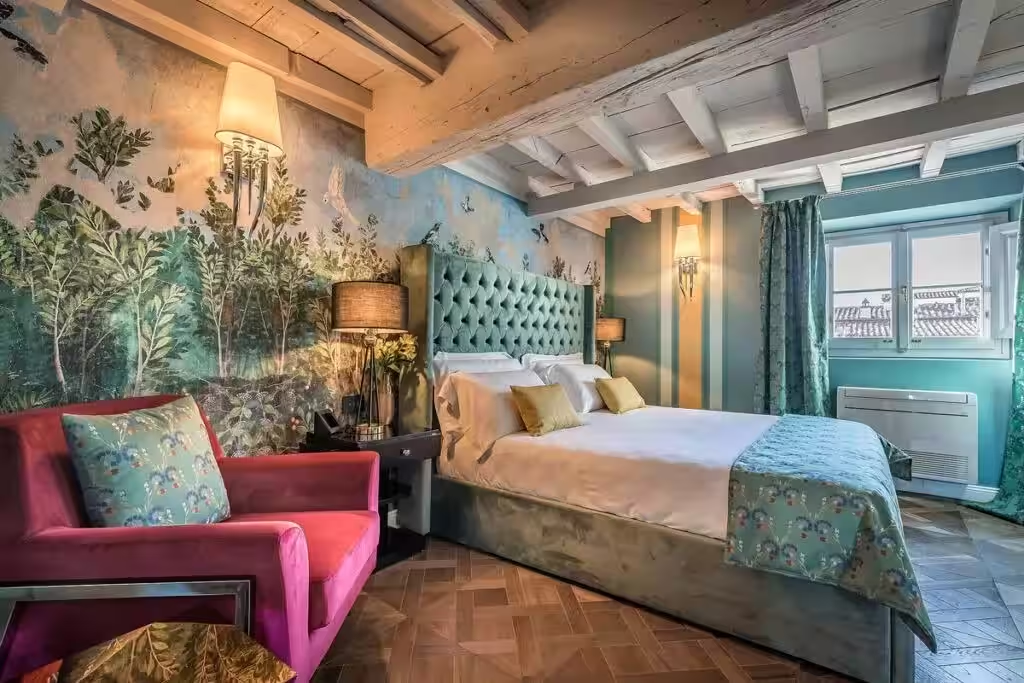

India’s boutique hotel sector is growing alongside a more discerning generation of travellers. From heritage properties and restored palaces to design-led retreats, intimate luxury resorts and independent urban hotels, these establishments offer experiences that are often more personal and distinctive than those of larger hospitality chains.
Their appeal lies in individuality. Guests may choose a boutique hotel for its architecture, location, local character, personalised service or connection with the surrounding destination. Yet delivering this experience consistently is far more demanding than creating an attractive property.
Boutique hotels operate within a competitive hospitality market shaped by rising operating costs, changing guest expectations, digital visibility, talent shortages and the growing influence of online reviews. Many also work with smaller teams and fewer resources than large hotel groups, making operational challenges particularly difficult to manage.
The central challenge is to preserve the individuality that makes a boutique hotel desirable while building the systems, financial discipline and service standards required to operate a sustainable hospitality business.
Maintaining a Distinctive Identity
A boutique hotel’s identity is often its strongest competitive advantage. Guests are drawn to properties that offer something recognisable and different, whether through architecture, interiors, culinary experiences, cultural heritage or a strong connection with the destination.
However, maintaining that identity requires more than an attractive design concept. A hotel’s positioning must be reflected across its rooms, public spaces, service style, food and beverage offering and overall guest experience.
Some properties struggle when their original character becomes diluted by inconsistent design decisions, changing management priorities or attempts to appeal to too broad an audience. Others invest heavily in visual presentation without developing a clear experience that distinguishes them from competing properties.
Boutique hotel owners must understand what makes their property genuinely distinctive and ensure that the identity is reflected in everyday operations. A heritage hotel, for example, needs to preserve its architectural and cultural character while providing the comfort and convenience expected by contemporary travellers.
The challenge is to evolve without losing the qualities that made the property worth visiting.
Rising Operating Costs and Financial Pressure
Operating a boutique hotel involves significant expenditure, even when the property has a relatively small number of rooms. Staffing, maintenance, utilities, food procurement, housekeeping, technology, marketing and property upkeep all contribute to ongoing costs.
Smaller establishments may have limited purchasing power compared with large hotel chains. They may also find it difficult to absorb increases in electricity, fuel, food, imported materials and specialist maintenance services.
Seasonality adds another layer of pressure. A property in a leisure destination may experience strong demand during holidays and wedding seasons but considerably lower occupancy during quieter months. Maintaining staffing and service standards throughout these fluctuations requires careful financial planning.
Owners must balance room rates, occupancy, operating expenses and capital investment. Reducing costs indiscriminately can affect the guest experience, while underpricing rooms can make it difficult to maintain the property’s facilities and service standards.
Financial sustainability depends on understanding the economics of each part of the business and making investment decisions that support long-term performance.
Recruiting and Retaining Skilled Hospitality Talent
People are central to the boutique hotel experience. Guests often remember the attentiveness of the staff, the quality of housekeeping, the responsiveness of the front desk and the personal attention they receive during their stay.
Yet attracting and retaining skilled hospitality professionals remains a significant challenge. Boutique properties may not always be able to offer the career structures, training infrastructure or compensation packages available within larger hotel groups.
The difficulty can be greater in remote destinations, where access to trained employees is limited. Staff accommodation, transportation, local recruitment and seasonal workforce requirements can further complicate operations.
High employee turnover affects service consistency and places additional pressure on existing teams. New employees need time to understand the property’s standards, guest expectations and operating procedures.
Boutique hotels must invest in training, supportive management and clear professional development opportunities. A smaller team can create a more personal experience, but only when employees are adequately trained, motivated and equipped to deliver it.
Delivering Personalised Service Consistently
Personalisation is one of the defining attractions of boutique hospitality. Guests may expect staff to understand their preferences, remember special occasions, recommend local experiences and respond quickly to individual requirements.
However, personal service becomes difficult to sustain when guest numbers increase, staffing is limited or operational systems are poorly organised.
A hotel may deliver exceptional attention during one visit but fail to maintain the same standard during a busy weekend or peak season. Inconsistency can be particularly damaging because guests often choose boutique properties precisely for the promise of individual attention.
The solution lies in combining human hospitality with reliable operating systems. Guest preferences, special requests and service requirements should be communicated effectively across departments. Staff should also have sufficient authority to resolve routine issues without unnecessary delays.
Technology can support this process, but it cannot replace genuine hospitality. The objective is to use systems to make personal service more consistent, not to make the experience feel automated.
Managing Online Reputation and Guest Reviews
Digital reputation has become an important influence on hotel bookings. Travellers compare properties through photographs, ratings, reviews and comments across travel platforms and social media before making a reservation.
For boutique hotels, this visibility can create opportunities as well as risks. A positive review can introduce a relatively unknown property to a wider audience, while repeated complaints about cleanliness, service, food or maintenance can weaken booking confidence.
The challenge is that online reviews often reflect individual expectations. A guest may evaluate a small heritage property differently from a full-service luxury hotel, while another may expect facilities that the property never claimed to offer.
Hotels must communicate their positioning accurately and ensure that photographs, descriptions and amenities reflect the actual experience.
Negative feedback should be examined rather than dismissed. Professional responses, prompt service recovery and visible improvements can demonstrate that management takes guest concerns seriously.
A strong online reputation is ultimately built through the experience delivered on the property, not through review management alone.
Maintaining Property Standards and Infrastructure
Boutique hotels often operate from buildings that require specialist care. Heritage properties may involve historic structures, traditional materials and architectural features that cannot be maintained through standard renovation methods.
Even newer properties face the challenge of keeping rooms, bathrooms, electrical systems, plumbing, air-conditioning, furniture and public spaces in excellent condition.
Maintenance can be expensive, particularly when materials or skilled technicians are difficult to source. Owners may also need to undertake improvements without disrupting guest operations.
Deferred maintenance can gradually undermine the guest experience. A beautifully designed room may lose its appeal if fixtures are unreliable, bathrooms show signs of deterioration or basic facilities are not maintained properly.
Hotels need planned maintenance schedules, regular inspections and adequate reserves for repairs and upgrades. Preserving the character of a property should never mean overlooking the practical standards required for comfortable accommodation.
Competing With Large Hotel Chains and Online Travel Platforms
Boutique hotels compete with established hospitality brands that benefit from larger marketing budgets, loyalty programmes, distribution networks and centralised reservation systems.
Online travel agencies also influence how independent properties reach potential guests. These platforms provide visibility and booking convenience, but commissions can affect profitability and reduce the hotel’s control over its customer relationship.
Smaller properties may struggle to compete on marketing expenditure or promotional pricing. Attempting to match the discounts offered by larger competitors can weaken margins without creating lasting loyalty.
Boutique hotels need a clear market position rather than relying exclusively on price. Their individuality, location, architecture, local experiences and personalised service can provide meaningful reasons for guests to choose them.
Direct booking strategies, strong websites, partnerships with travel advisers and carefully developed repeat-guest relationships can help reduce dependence on third-party platforms.
Changing Guest Expectations and the Role of Technology
Today’s travellers expect convenience throughout the booking and stay experience. They may want mobile-friendly reservations, quick communication, reliable internet, digital payments, easy access to information and responsive service.
Boutique hotels must adapt to these expectations without losing the personal character that differentiates them.
Technology investments can be challenging for smaller operators. Property management systems, booking engines, customer relationship tools, revenue management software and cybersecurity measures require money, training and ongoing attention.
The absence of appropriate technology can create inefficiencies, from booking errors and poor communication to inaccurate inventory management. However, excessive automation can make a boutique property feel impersonal.
The right approach is to identify where technology improves the guest journey and supports employees. Digital systems should make operations smoother while allowing staff to focus on the human interactions that define boutique hospitality.
Food, Beverage and the Quality of the Dining Experience
Food can be a major part of a boutique hotel’s identity. Guests may choose a property for its regional cuisine, destination restaurant, chef-led menus, local ingredients or distinctive dining atmosphere.
However, operating a strong food and beverage programme presents commercial and operational challenges. Ingredient costs, kitchen staffing, supplier reliability, food safety, menu planning and wastage all affect performance.
Properties in remote destinations may face additional difficulties in sourcing fresh produce and maintaining consistent supplies. Seasonal availability can also influence menu choices and operating costs.
A restaurant that is visually appealing but inconsistent in food quality or service can damage the wider perception of the hotel.
Successful boutique properties develop food experiences that complement their identity while remaining operationally sustainable. Local sourcing, thoughtful menu design and reliable kitchen management can help create a distinctive dining proposition.
Sustainability and Responsible Hospitality
Sustainability is becoming an important consideration for travellers, particularly those choosing nature-based retreats, heritage properties and destination-led accommodation.
Boutique hotels may face expectations around energy efficiency, water conservation, waste management, responsible sourcing and the protection of local environments.
Implementing these practices can be challenging. Water-intensive properties in areas facing scarcity may need significant investment in conservation systems, while remote hotels may have limited waste-management infrastructure.
Sustainability claims can also create reputational risks when they are not supported by measurable action. Guests are increasingly attentive to the difference between genuine environmental responsibility and marketing language.
Hotels should focus on practical improvements that suit their location and operating model. Energy management, water monitoring, reduced single-use materials, responsible procurement and engagement with local communities can contribute to more sustainable operations.
Responsible hospitality should be reflected in everyday decisions rather than treated as a separate promotional activity.
Building a Strong Local Identity and Community Relationship
A boutique hotel’s relationship with its destination can be a powerful source of differentiation. Local architecture, food, crafts, traditions, landscapes and cultural experiences can help create a more meaningful stay.
However, building these connections requires genuine engagement with the surrounding community. Hotels may depend on local suppliers, artisans, guides, performers and employees, making these relationships important to both the guest experience and the property’s long-term acceptance.
Poorly managed development can create tensions around land use, water consumption, waste, traffic or the commercial use of local culture. Properties that operate without considering their wider impact may face criticism from residents and community stakeholders.
Hotels should develop partnerships that create value for local businesses and support the preservation of regional character. Community engagement must go beyond using local imagery in marketing.
A strong destination identity is most credible when the property contributes positively to the place it represents.
Balancing Expansion With the Boutique Experience
As boutique hotel businesses gain recognition, owners may consider adding rooms, opening new properties or entering additional destinations. Expansion can create commercial opportunities, but it also introduces the risk of diluting the original experience.
The personal service, design attention and distinctive atmosphere that define a boutique property can become harder to reproduce across multiple locations.
Growth also requires stronger management systems, trained leadership, consistent procurement and reliable quality control. Without these capabilities, a business may expand its footprint while weakening the experience that built its reputation.
Owners must decide which aspects of the property can be standardised and which should remain specific to each destination. A successful boutique hotel group does not need every property to look or feel identical. It needs each one to deliver a recognisable standard of hospitality while retaining its individual character.
Building a Sustainable Future for Boutique Hospitality
The challenges facing boutique hotels in India extend well beyond occupancy and room pricing. They involve the ability to preserve identity, manage costs, attract skilled employees, maintain property standards and deliver a consistent guest experience in an increasingly competitive market.
The sector’s greatest opportunity lies in its individuality. Travellers continue to seek properties that offer a sense of place, thoughtful design, genuine hospitality and experiences that feel distinct from standardised accommodation.
However, individuality must be supported by sound business fundamentals. Financial discipline, staff development, effective technology, responsible operations and strong management systems are essential to sustaining a boutique hotel’s appeal.
The properties that establish lasting positions in India’s hospitality market will be those that understand both sides of the business: the emotional value of a memorable stay and the operational discipline required to deliver it repeatedly.
Ultimately, a boutique hotel’s success is not defined by its size or visual appeal alone. It is measured by the experience guests remember, the confidence they place in the property and the reasons they choose to return.


